How to Make Property Repairs Amid COVID-19
Property repairs amid COVID-19? It’s not easy, but there are a few ways to approach this unique challenge that follow safety and social distancing protocols.

Stuck windows, leaky faucets, faulty appliances, intrusive pests—the property repairs that landlords undertake on a regular basis run the gamut. Yet, the coronavirus pandemic has upended standard maintenance, compelling landlords to quickly rethink the ways they address tenants’ requests and fix issues.
Amid physical distancing rules and changed business operations, coming up with a whole new maintenance protocol is not a small task. Here are a few ways on how to approach this unique challenge of handling property repairs.
Establish an efficient system to collect service requests
Whether it is a specialized property management software or a simple email account, the health crisis has elevated the importance of timely and efficient communication. A platform that allows renters to describe structural damages and upload images and clips of the problems in their units prevents misunderstandings and allows landlords to better assess the situation, which they might not be able to do in person.

Moreover, the lack of an open communication channel could only create more friction in a crisis situation that is already causing stress. But beyond affording tenants the means to swiftly relay service requests, landlords should act promptly to acknowledge them and convey the next steps in the process of making property repairs.
Create a list of emergency and non-essential property repairs
Whether the landlord depends on contractors for property
maintenance or employs an in-house team, the crew is likely to function with
fewer members and with reduced operating hours compared with its pre-COVID
schedule. Hence, the timeframe for some fixes amid the pandemic may be longer
than usual.
Because of this, landlords ought to prioritize the maintenance
requests they receive. Doing so also helps minimize social interactions and,
thus, curbs the chances of viral infection in the rental building. Yet, ranking
the urgency of repairs is hardly easy, and it is not a practice appreciated by
residents who have to cope with a problem for a prolonged time, either.
Landlords need to cautiously and carefully create a list of repairs that constitute an emergency. These types of fixes are most likely going to require maintenance personnel to enter a unit, despite any shelter-in-place or quarantine orders.

Typically, any “flood, fire, or blood” matters are urgent. These
ensure essential services such as working water, heating and electricity
systems, operable locks, and sanitary conditions. Because local jurisdictions
typically mandate the level of habitability landlords must provide, consulting
the landlord-tenant regulations in a given city or state will help landlords
put together a list of mandatory repairs.
Although emergencies take precedence, landlords should assure
residents that all service requests are taken seriously. In some circumstances,
it may even be possible to walk a renter through a self-repair.
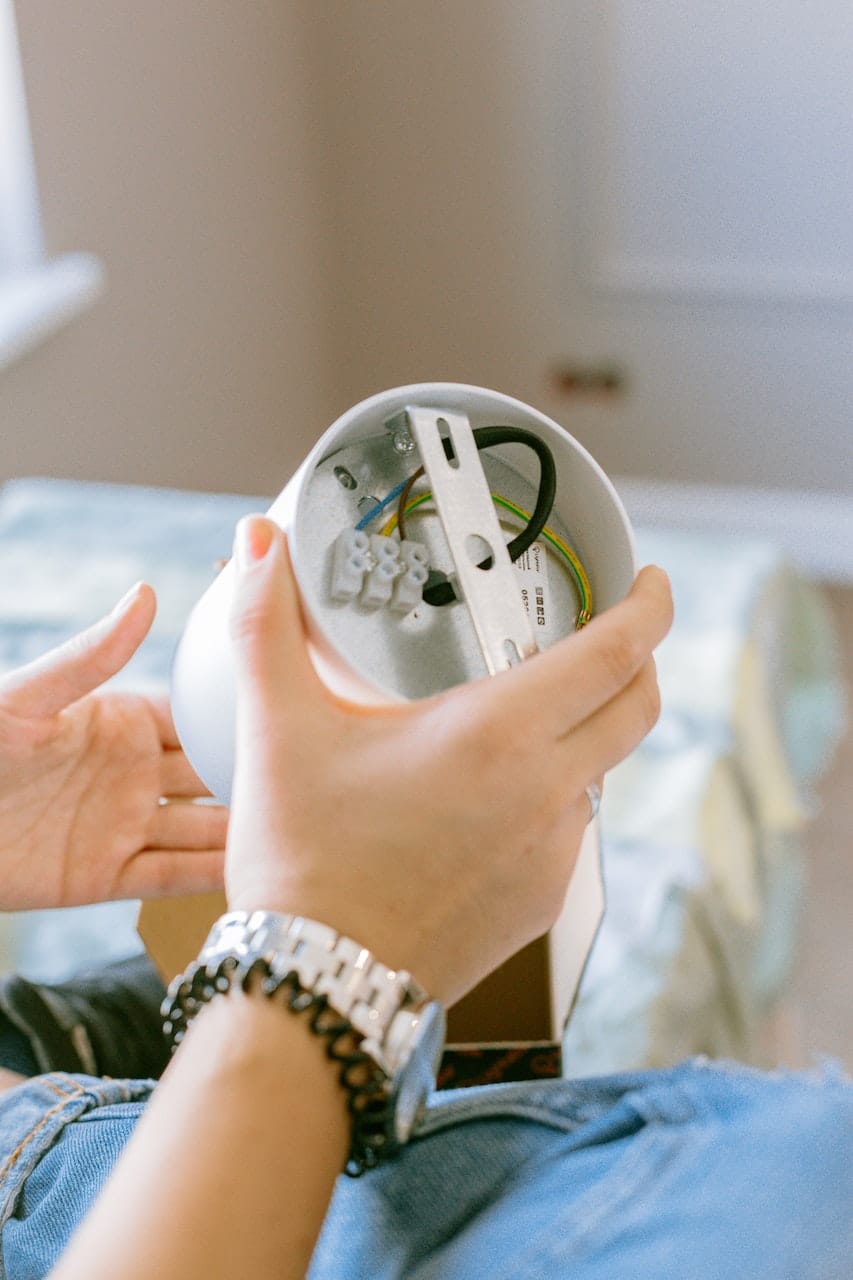
Develop a protocol for entering a resident’s unit
In the cases when maintenance staff must address the problem
on-site, there should be a protocol upon entering a unit that considers the
needs of both residents and repair crews. Here is a checklist to help landlords
implement safety measures:
Make sure that the tenants are comfortable with having strangers enter their home. For some renters, this may be the first time they are letting someone in their unit since the coronavirus outbreak. Wariness is understandable.
Limit the number of maintenance staff who enter the unit to only those whose expertise is vital for fixing the problem at hand.
Ask both renters and the maintenance crew if they have any symptoms of the virus, or if they’ve been in contact with anyone who may have shown symptoms of the virus.
Request that tenants and repairers both keep a 6-foot physical distance. Advise residents to stay in a different room during the repairs, if possible, or to leave the unit altogether.
Ask that both renters and the maintenance crew wear protective gear such as masks and gloves. If needed, provide such equipment to them.
Because a slew of Americans now work remotely and children attend
school virtually, it’s very likely that some emergency repairs will interfere
with renters’ new daily schedules at home. Selecting a time for repairs that is
ideal for everyone involved is tough, and the maintenance personnel should be
aware if kids are to be present, which heightens the need to safely handle and
store any tools.
Property maintenance amid the COVID-19 pandemic may be harder to coordinate and carry out, but planning, preparation, and communication make the task feasible.